
Energy-Efficient Outdoor Lighting Services: Ways to Reduce Costs and Maintenance
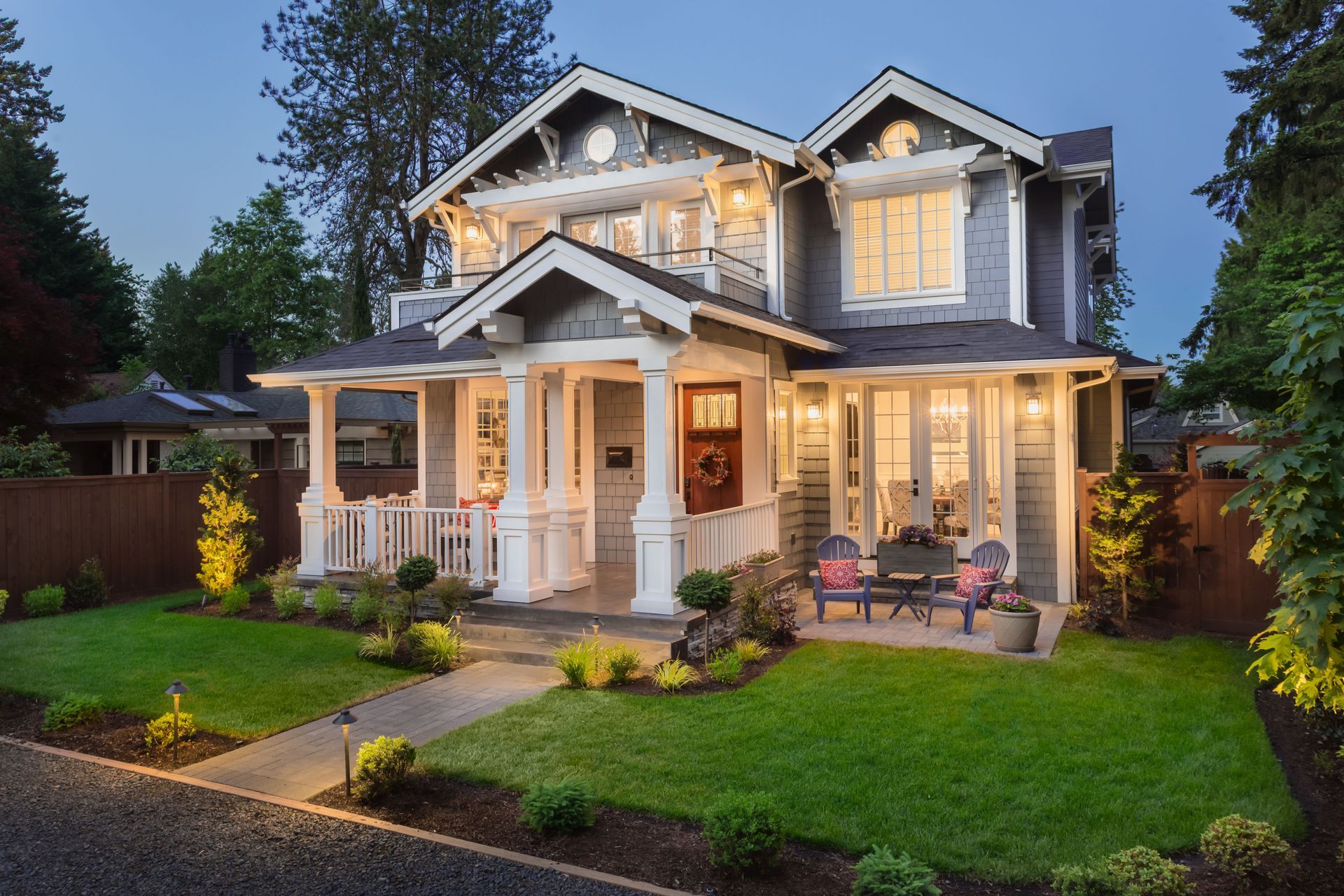
Outdoor lighting adds beauty, visibility, and functionality to residential and commercial properties, but keeping those spaces illuminated does not have to result in high energy bills. Choosing efficient fixtures, dependable materials, and practical lighting designs can help property owners manage electricity consumption while maintaining attractive outdoor spaces. Modern lighting technology also offers opportunities to reduce maintenance requirements and avoid frequent bulb replacements. With thoughtfully planned outdoor lighting services, homeowners can highlight landscaping, illuminate walkways, and improve visibility around entrances without unnecessary energy waste. Understanding which lighting options provide long-term value makes it easier to create an outdoor environment that balances appearance, performance, and operating costs. Old Mill Stream, Inc. recognizes the importance of selecting lighting solutions that complement a property's features while supporting dependable operation. From fixture selection to placement, several considerations can help make an outdoor lighting investment more efficient.
Choosing Energy-Efficient Lighting Fixtures
Selecting the right fixtures is one of the most effective ways to control outdoor lighting expenses. Traditional incandescent bulbs consume more electricity and generally require more frequent replacement than modern alternatives. LED fixtures offer an efficient option because they produce substantial illumination while using less power. According to Intel Market Research, more than 65% of landscape lighting installations currently incorporate LED technology. This growing adoption reflects the value property owners place on lighting that combines performance with energy savings. When evaluating outdoor lighting services, consider fixtures designed specifically for exterior conditions and extended operation. Weather-resistant construction can protect electrical components from moisture, temperature changes, and other environmental factors. Investing in quality fixtures initially can help reduce replacement expenses and support consistent illumination over time.
Planning Strategic Lighting Placement
Where lights are installed can have a significant impact on overall energy consumption. Rather than illuminating every corner of a property, focus on areas where visibility, safety, and appearance matter most. Walkways, driveways, entrances, patios, and architectural features are common locations that benefit from carefully positioned fixtures. Strategic placement allows each light to serve a specific purpose without creating unnecessary brightness. It can also prevent overlapping beams that waste illumination and contribute to excessive energy use. Professional outdoor lighting services can help determine appropriate fixture locations based on the property's layout and existing landscape features. Proper spacing makes it easier to achieve balanced coverage while limiting the number of fixtures required. A thoughtful lighting plan can therefore improve nighttime visibility without increasing electricity consumption unnecessarily.
Installing Timers and Automated Controls
Automated controls provide another practical way to reduce the cost of operating outdoor lighting. Timers allow property owners to establish specific operating hours instead of leaving fixtures illuminated throughout the night. Photocells offer additional convenience by detecting natural light levels and activating fixtures when darkness arrives. These controls can help prevent lights from running during daylight hours when outdoor illumination is unnecessary. Smart lighting systems may also allow users to adjust schedules through mobile applications or connected home devices. When incorporating outdoor lighting services into a property improvement project, consider whether automated controls would support your daily routine. Some systems offer separate schedules for different lighting zones, allowing homeowners to manage individual areas independently. These features make it easier to maintain dependable illumination while avoiding unnecessary operating hours.
Reducing Maintenance Through Quality Materials
Outdoor fixtures experience conditions that indoor lighting products rarely encounter. Rain, humidity, direct sunlight, temperature fluctuations, and debris can gradually affect their appearance and performance. Selecting durable materials helps protect lighting systems from premature deterioration. Fixtures constructed with corrosion-resistant metals, weather-resistant finishes, and properly sealed components can withstand many common outdoor conditions. Quality installation also matters because loose connections, exposed wiring, and improperly secured fixtures may create recurring maintenance concerns. Reliable outdoor lighting services should account for environmental exposure when selecting equipment and determining installation locations. Property owners should also consider how easily bulbs, lenses, and other components can be accessed when maintenance becomes necessary. Choosing dependable products from the beginning can reduce the time and expense associated with ongoing repairs.
Using Layered Lighting for Better Coverage
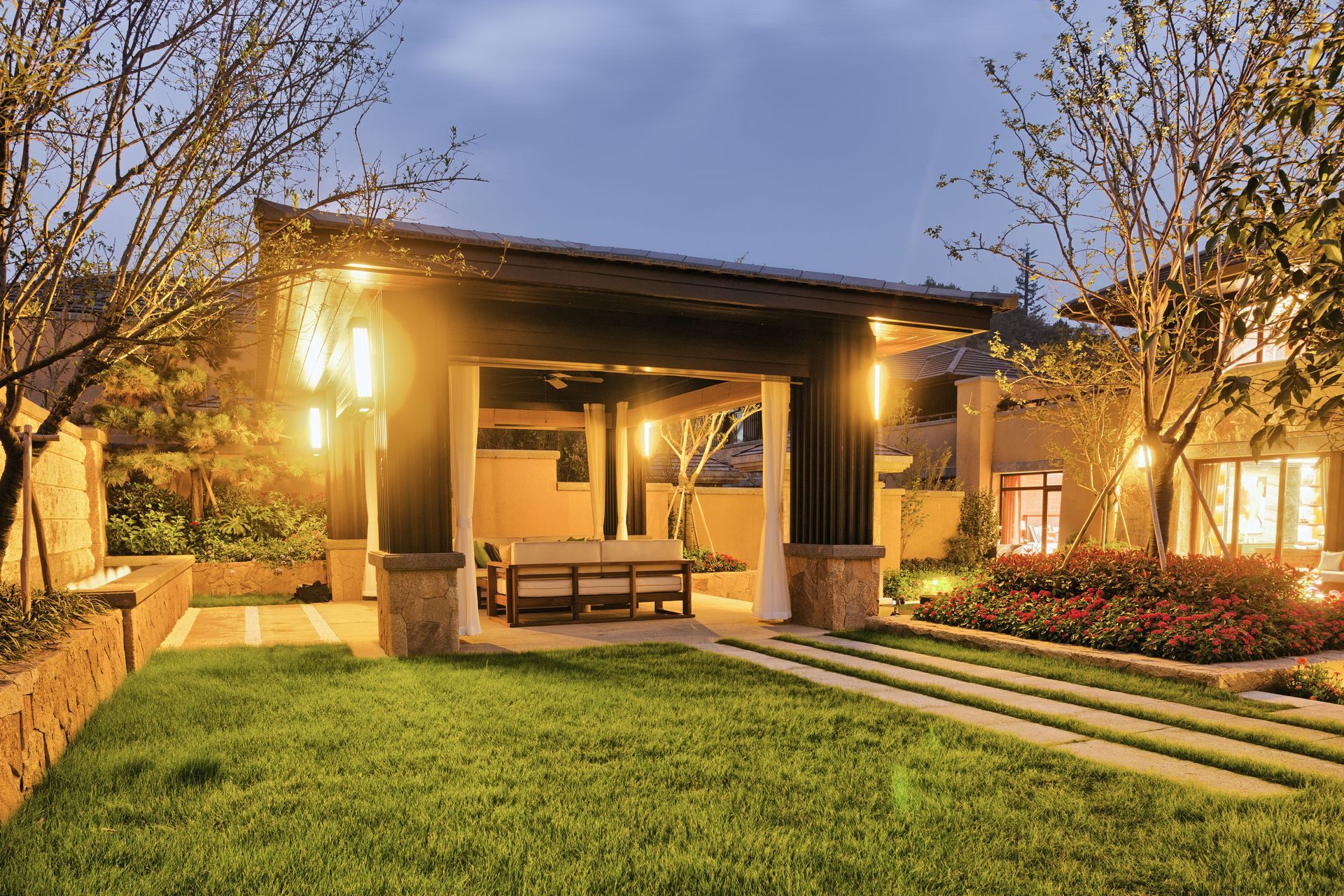
A well-designed outdoor lighting system often combines several types of illumination to create a comfortable and functional environment. Path lights provide visibility along walkways, while spotlights can emphasize trees, garden features, and architectural details. Wall-mounted fixtures help illuminate entrances, garages, and exterior gathering spaces. Combining these options allows property owners to address different lighting needs without relying on excessively bright fixtures. Layered illumination can also create visual depth by directing attention toward selected features rather than flooding the entire property with light. Thoughtful outdoor lighting services consider how each fixture contributes to the overall design and nighttime visibility. Using appropriate brightness levels helps prevent glare that can make outdoor spaces uncomfortable or difficult to navigate. A balanced arrangement provides useful illumination while maintaining an inviting appearance.
Maintaining Fixtures and Electrical Components
Even energy-efficient lighting systems require occasional attention to maintain their performance. Dirt, leaves, spiderwebs, and other debris can collect around fixtures and interfere with light output. Cleaning lenses periodically helps preserve brightness and allows property owners to identify visible damage. It is also important to check for loose fixtures, damaged wiring, and signs of moisture intrusion. Overgrown shrubs and tree branches may eventually block illumination or interfere with the intended lighting arrangement. Routine inspections can identify these concerns before they develop into more extensive problems. Scheduling professional outdoor lighting services when electrical issues arise helps ensure that repairs receive appropriate attention. Keeping fixtures clean, secure, and properly positioned supports dependable operation and reduces avoidable maintenance expenses.
Incorporating Lighting Around Landscaping
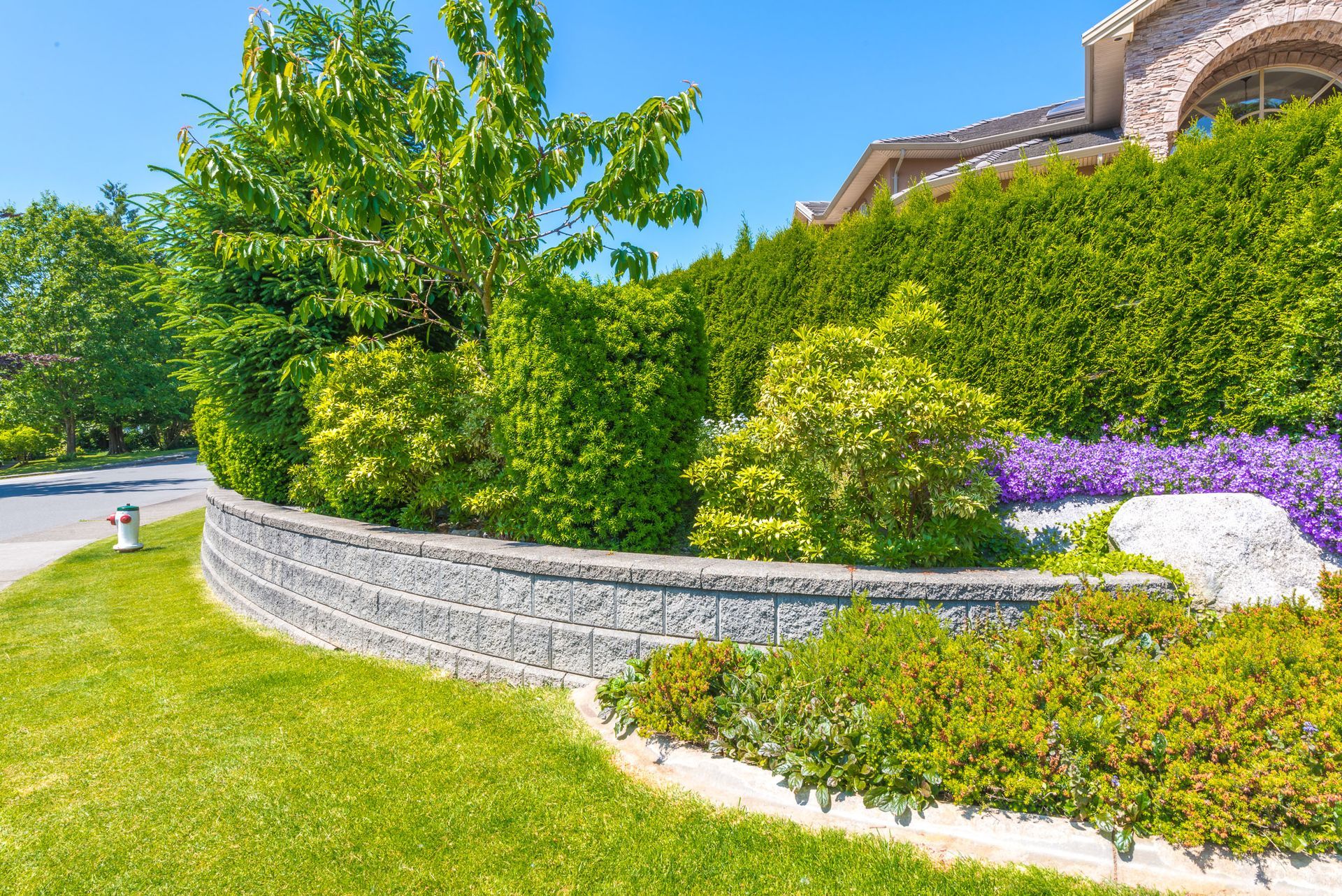
Landscape features can influence both the appearance and efficiency of an outdoor lighting system. Trees, shrubs, flower beds, retaining walls, and garden pathways provide opportunities to create attractive nighttime focal points. However, lighting should complement these features rather than overpower them. Smaller fixtures with carefully directed beams can highlight selected plants and architectural details without requiring excessive brightness. Property owners should also consider how landscaping may change as trees grow and plants become fuller. Fixtures positioned too close to expanding vegetation may eventually become obstructed or require relocation. A well-planned outdoor lighting services project accounts for current landscaping conditions while allowing room for future growth. Coordinating fixture placement with landscape design helps maintain consistent coverage and reduces the likelihood of repeated adjustments.
Evaluating Long-Term Lighting Costs
The initial purchase price is only one part of determining whether an outdoor lighting system provides good value. Property owners should also consider electricity consumption, expected fixture lifespan, replacement parts, and potential maintenance expenses. A less expensive fixture may become more costly over time if it requires frequent repairs or replacement. Energy-efficient products can help offset their initial investment through reduced electricity usage and longer operating life. Comparing different fixture types and control options provides a clearer understanding of their long-term financial benefits. When exploring outdoor lighting services, ask about product durability, energy requirements, and recommended maintenance practices. These details make it easier to evaluate the overall value of a proposed lighting design. Prioritizing dependable equipment and practical installation choices can help property owners avoid unnecessary expenses while maintaining attractive outdoor spaces.
Old Mill Stream, Inc can help property owners explore outdoor lighting solutions that complement their landscapes and everyday needs. Contact us to discuss your property's lighting goals and discover ways to create an attractive, efficient outdoor environment with dependable performance and manageable maintenance requirements.
Share On: