
Why Smart Irrigation Matters in Eastern North Carolina
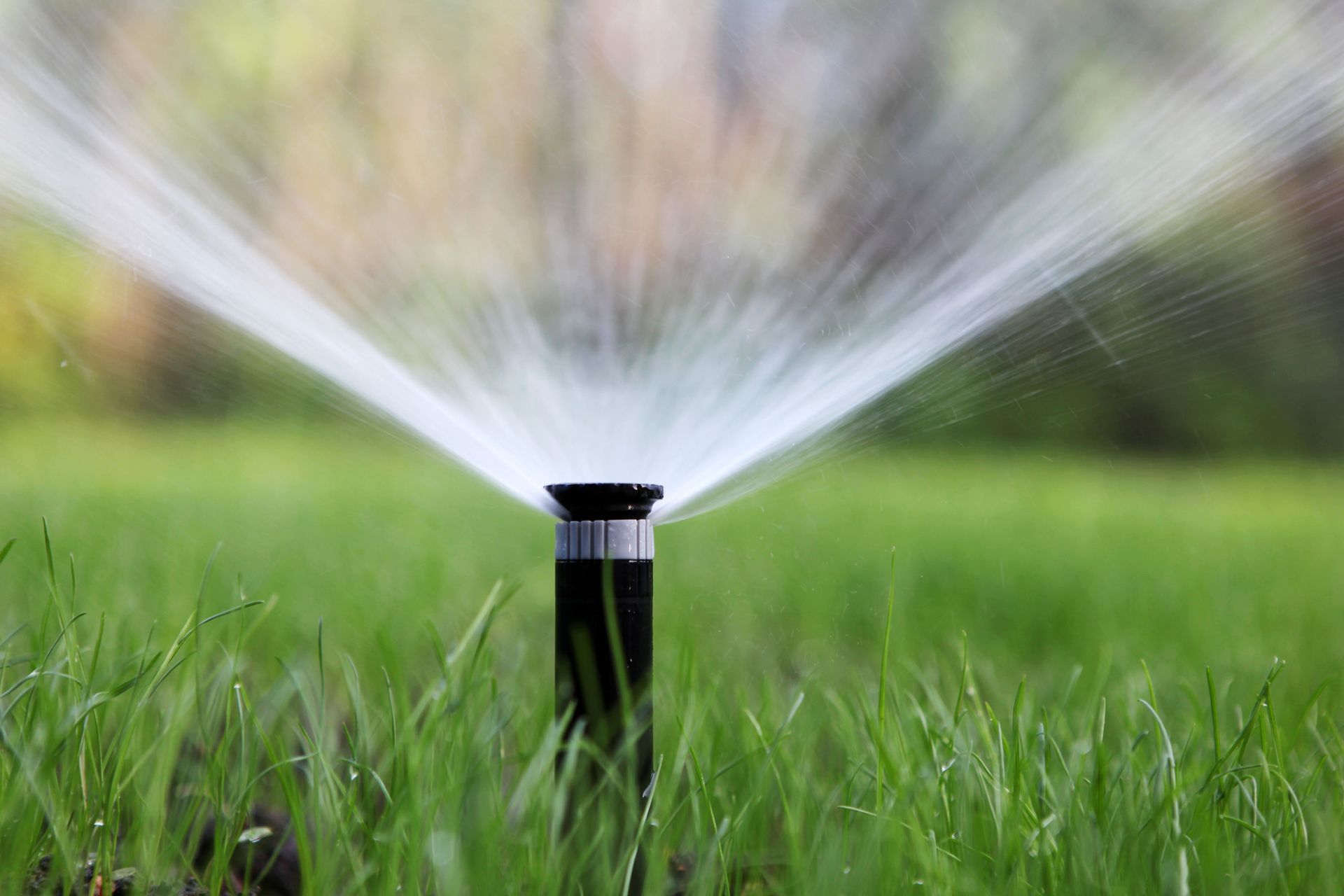
Weather-based smart irrigation systems represent a modern, data-driven evolution in exterior water resource management. Traditional irrigation models rely on rigid timers, resulting in water waste, high bills, and compromised plant vitality. By aligning hydration cycles with live atmospheric parameters and local forecasts, weather-responsive systems eliminate the guesswork that causes overwatering and runoff. For residential properties, agricultural operations, and commercial developments across Eastern North Carolina, embracing climate-informed watering practices preserves freshwater supplies while establishing resilient, vibrant landscapes.
Understanding the Mechanics of Climate-Driven Watering
Modern automated watering platforms match water delivery to actual evapotranspiration—the combined moisture evaporated from soil and transpired by plant foliage. A comprehensive setup relies on on-site sensors, a digital processor, and an analytics engine. Probes measure subterranean moisture, while ambient sensors track temperature, humidity, and solar radiation. The controller evaluates these inputs against localized algorithms. If recent rainfall or cloud cover reduces plant thirst, the controller delays upcoming cycles. As detailed by UF/IFAS Extension on smart irrigation controllers, these technologies monitor ambient conditions to apply precise water volumes based on plant need. By establishing this feedback mechanism, smart irrigation platforms interpret environmental metrics without requiring recurring manual adjustments from property owners.
Managing Diverse Eastern North Carolina Soil Conditions
Soil characteristics heavily dictate how moisture moves through the ground and reaches root systems. Eastern North Carolina features a distinct mix of soil conditions that present unique landscape management challenges. Sandy Coastal Plain soils drain quickly and may require more frequent, carefully managed irrigation to keep turf and ornamental plants from wilting. Insights on agricultural water management for Coastal Plain soils from NC State Extension emphasize that rapid infiltration and limited moisture retention require precise tracking. In contrast, clay-heavy and poorly drained soils retain excess moisture for extended periods, creating stagnant root zones if watered indiscriminately. Furthermore, compacted soils around newer homes and commercial developments struggle to absorb water; as detailed by NC State Extension regarding modifying soil for plant growth around your home, structural compaction severely restricts infiltration and root expansion. Advanced smart irrigation controllers address these disparate soil textures by calibrating cycle volumes and run durations to match specific infiltration rates across every zone.
Addressing Local Precipitation Patterns and Summer Humidity
Precipitation across the coastal plains of the state is notoriously variable. Eastern North Carolina receives substantial annual rainfall, but that does not mean landscapes receive consistent or sufficient moisture throughout the year. NC State Extension reports average annual rainfall of approximately 44 to 60 inches across the region. However, dry spells frequently interrupt wet periods. Furthermore, Eastern North Carolina experiences hot, humid summers. However, high humidity does not automatically mean plants need less irrigation. High humidity can slow transpiration while summer heat can increase plant water demand. Smart controllers should consider evapotranspiration, rainfall, soil moisture, plant type, and other site conditions rather than simply increasing watering because temperatures rise.
Analyzing the Destructive Agronomic Costs of Overwatering
Excessive hydration poses agronomic risks that frequently go unnoticed until visible landscape degradation occurs. When soil remains saturated, air pockets collapse, depriving roots of oxygen. This suffocates root hairs, stunts growth, and creates ideal environments for fungal pathogens like Pythium root rot, brown patch, and aerial blight. Drowning plants often display yellow foliage mimicking drought symptoms, deceiving caretakers into applying even more water. Beyond ecological damage, excessive watering exacts substantial financial tolls on property owners through aeration, fungicide treatments, and turf re-sodding. Transitioning away from rigid timers toward smart irrigation resolves these inefficiencies by maintaining balanced moisture, protecting root systems and operating budgets.
Harnessing Meteorological Data for Dynamic Weather Control
The intelligence of weather-responsive controllers lies in analyzing atmospheric datasets rather than relying on crude timers. Systems evaluate real-time parameters, including solar radiation, temperature, relative humidity, and barometric trends, to calculate precise daily evapotranspiration rates. In Eastern North Carolina, rainfall, drainage, and soil moisture conditions vary considerably by location. Local thunderstorms can deliver very different rainfall amounts across neighboring properties, meaning a storm that drenches one street may leave an adjacent subdivision dry. Heavy rainfall can make scheduled irrigation unnecessary, while sandy soils may dry more quickly than poorly drained areas. Seasonal weather changes make fixed watering schedules inefficient. Cloud-linked forecasting feeds anticipate storms hours in advance, allowing systems to withhold water before downpours arrive.
Preventing Harmful Runoff and Coastal Watershed Pollution
When sprinklers deposit water faster than soil can absorb it, excess volume spills across driveways, sidewalks, and parking areas. This unabsorbed runoff cascades into storm sewers, carrying petroleum residues, fertilizers, weed killers, and sediment into regional tributaries, rivers, and coastal estuaries. Research on water movement and coastal water quality from NC State Extension underscores that uncontrolled runoff from developed lands accelerates nutrient loading and degrades downstream aquatic environments. The resulting nutrient influx drives destructive algae blooms, stripping aquatic habitats of dissolved oxygen. Automated controllers resolve this issue through cycle-and-soak programming, dividing application windows into shorter intervals to allow moisture to permeate lower soil strata. By curtailing surface saturation, smart irrigation shields surrounding waterways and preserves regional watershed ecology.
Customizing Hydrozones Across Varied Topographies
Every property encompasses distinct microclimates shaped by grade, sun exposure, canopy cover, and plant species. Standard timers treat disparate beds uniformly, causing flooded gardens alongside scorched turf. Weather-adjusted systems overcome this limitation through multi-zone customization, configuring run times based on plant crop coefficients, root depths, and hydraulic flow rates. Dynamic adjustments ensure that shaded turf receives less volume than open lawn sections exposed to afternoon sunlight. In home settings, implementing smart irrigation in residential neighborhoods allows homeowners to manage complex micro-zones effortlessly via mobile applications. Low-volume drip tubing in perennial beds delivers pinpoint root hydration, while rotary nozzles nurture expansive lawns without overspray.
Elevating Maintenance Standards in Commercial Landscaping
Commercial properties, corporate business parks, and residential communities face intense scrutiny regarding visual curb appeal and water stewardship. According to Mordor Intelligence, maintenance services capture 44.32% of US landscaping market revenue. This market share demonstrates that property owners rely on specialized contractors to maintain site functionality, curb appeal, and fiscal efficiency. Within commercial footprints, integrating smart irrigation gives grounds managers centralized control over distribution networks. Commercial controllers incorporate automated master valves, digital flow sensors, and remote alarms that detect line ruptures or broken sprinkler heads instantaneously. Rather than waiting for utility bills to reveal catastrophic leaks, maintenance teams receive real-time alerts that isolate broken pipes immediately, preserving capital investments and landscape value.
Overcoming Installation Obstacles and Initial Implementation Costs
Despite the clear ecological and agronomic merits of automated water management, some property owners hesitate due to perceived equipment costs and initial technical complexity. Retrofitting older properties often involves replacing mechanical timers, updating valve wiring, and installing wireless environmental sensors. Additionally, configuring dynamic zones requires evaluating soil composition, line pressure, and plant varieties. Fortunately, wireless networks and modular hardware options have lowered installation barriers for retrofits and new builds alike. Professional contractors assess site-specific hydraulics, establish efficient zones, and calibrate software settings to maximize long-term plant health while eliminating guesswork.
Realizing Long-Term Environmental and Financial Landscape Benefits
Adopting weather-informed watering solutions delivers enduring dividends that extend far beyond simple resource conservation. By stabilizing moisture in the root zone, turf and ornamental plantings develop deeper root networks that resist disease, withstand scorching heat waves, and require fewer chemical interventions. Concurrently, eliminating surplus surface drainage safeguards infrastructure from roadway erosion and prevents storm sewer overloads, fostering healthier regional waterways. Ultimately, dynamic water management proves that lush landscapes do not require wasteful water consumption. To transform your property's water efficiency, prevent wasteful runoff, and protect your landscape investments with industry-leading solutions in Eastern North Carolina, contact the experienced team at Old Mill Stream, Inc. today.

Share On: