
How to Highlight Trees and Architectural Features With Outdoor Lighting
Outdoor lighting can do much more than illuminate walkways and entryways after dark. Thoughtfully positioned fixtures can draw attention to mature trees, emphasize architectural details, improve curb appeal, and create a welcoming atmosphere throughout a property. The right combination of brightness, placement, color temperature, and fixture style can make landscaping and building features stand out without making the space feel overly bright.
Professional planning can also help homeowners avoid common problems such as harsh glare, uneven illumination, and fixtures that overpower the features they are meant to highlight. Working with experienced outdoor lighting companies can make it easier to develop a cohesive lighting design that complements both the landscape and architecture.
In this article, we will explore how to use outdoor lighting to highlight trees and architectural features, choose appropriate fixtures, create visual balance, and improve energy efficiency.
Highlight Trees With Uplighting
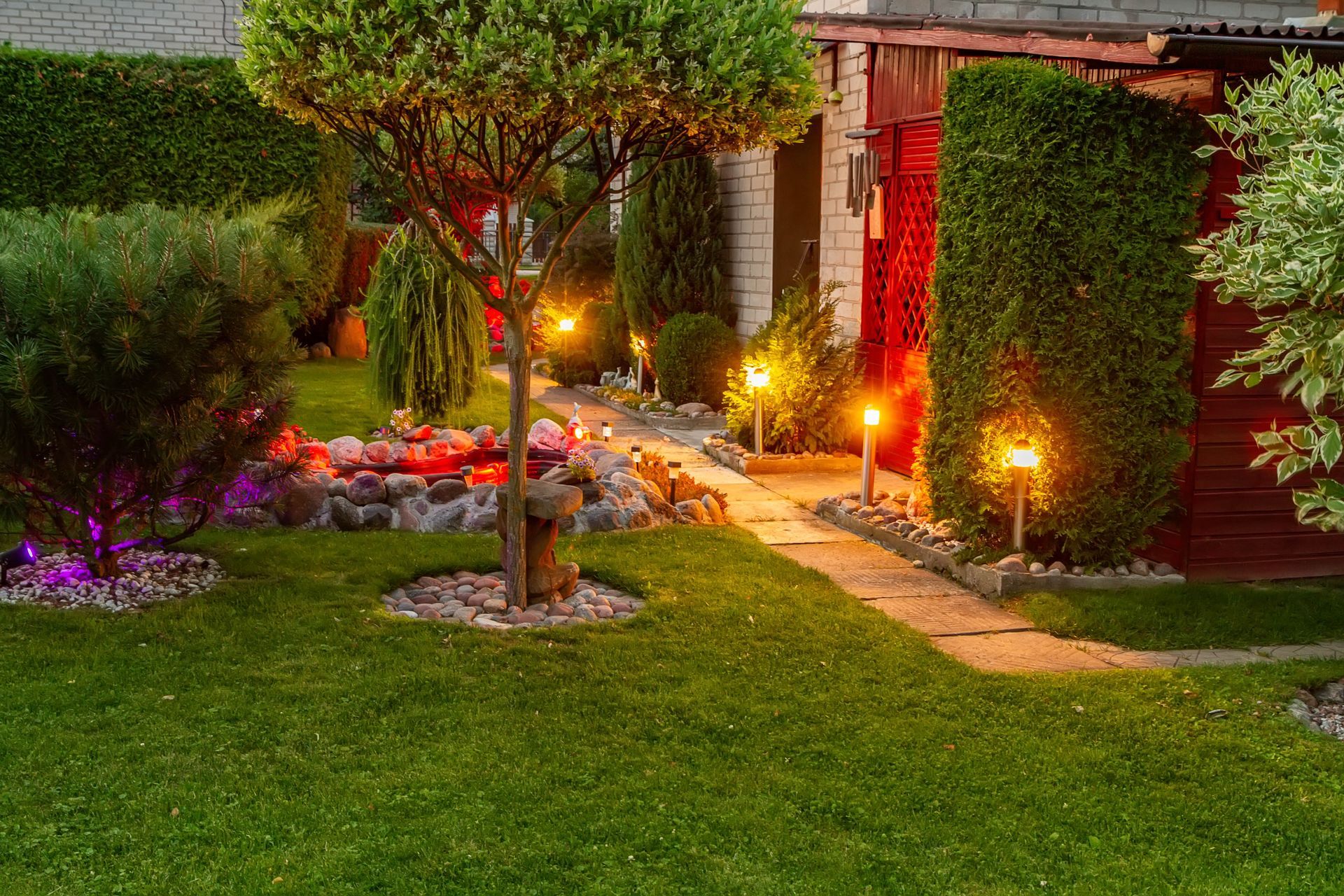
Uplighting is one of the most effective ways to showcase trees after sunset. This technique involves placing a light fixture near the base of a tree and directing the beam upward toward the trunk, branches, and canopy. When positioned correctly, uplighting can emphasize the natural shape and texture of a tree while creating an attractive silhouette against the surrounding landscape.
The size and shape of the tree should influence the type of fixture and beam spread selected. A narrow beam may work well for emphasizing a tall, slender trunk, while a wider beam can illuminate a broad canopy. Outdoor lighting companies can help determine where fixtures should be positioned to create depth without producing excessive glare.
It is also important to avoid placing fixtures where they could become trip hazards or interfere with lawn maintenance. Concealing or carefully positioning fixtures can help preserve the natural appearance of the landscaping during the daytime.
Use Downlighting for Natural Illumination
Downlighting provides another option for highlighting trees while also adding useful illumination to the surrounding property. Fixtures can be installed in trees or on nearby structures and directed downward to create a soft, moonlight-inspired effect.
This approach can illuminate patios, garden beds, pathways, and outdoor seating areas beneath the tree. Instead of focusing entirely on the tree itself, downlighting allows the branches and leaves to become part of a broader lighting scene.
Because fixture placement can affect both the appearance of the tree and the amount of light reaching the ground, careful planning is important. Outdoor lighting companies can assess the height, branch structure, and surrounding features to determine appropriate fixture locations and angles.
Accentuate Architectural Details
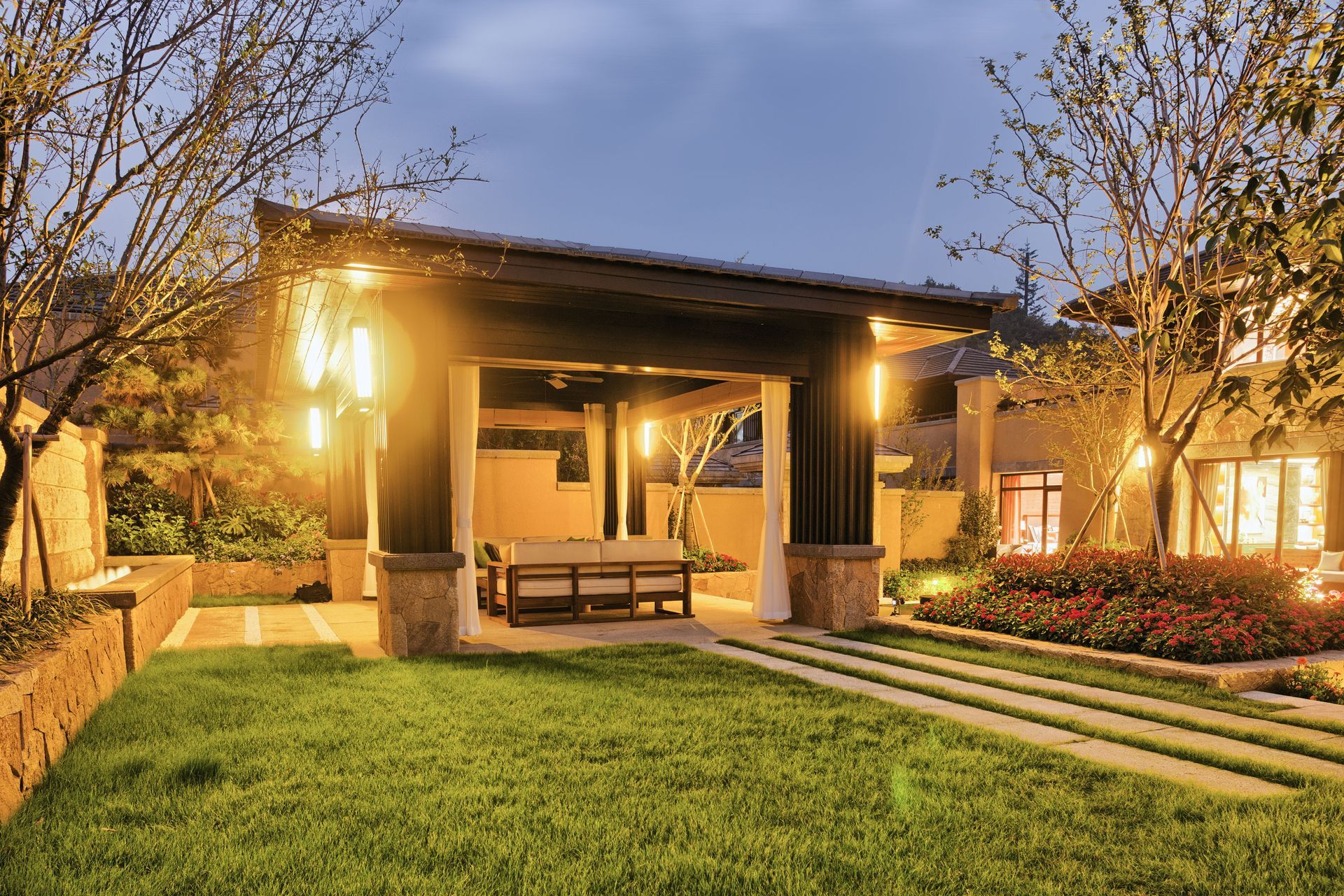
Outdoor lighting can make architectural features more noticeable by drawing attention to elements that may disappear into the darkness. Columns, stonework, arches, rooflines, entryways, textured walls, and decorative features can all become focal points when illuminated strategically.
Wall-washing is one technique that can emphasize the texture and shape of a building's exterior. A fixture positioned at an appropriate distance from a wall can spread light across a larger surface, revealing brick, stone, stucco, or other textures.
For more defined details, spotlighting can direct attention to a specific architectural element. Outdoor lighting companies can combine different techniques to create layers of light rather than relying on a single fixture type throughout the property.
Create Contrast and Visual Depth
Effective outdoor lighting is not necessarily about making everything equally bright. In fact, differences between illuminated and darker areas can make a landscape or building more visually interesting.
For example, lighting a large tree in the foreground while keeping portions of the background relatively dark can create depth. Similarly, highlighting a stone wall while allowing nearby landscaping to remain softly illuminated can establish a clear focal point.
This layered approach can help prevent an outdoor space from looking flat or excessively bright. Outdoor lighting companies can help determine which elements should receive stronger illumination and which should provide subtle background contrast.
Choose the Right Color Temperature
Color temperature affects how trees, landscaping, and architectural materials appear at night. Warmer light often creates a comfortable and inviting appearance, while cooler light can provide a sharper, more contemporary effect.
The best choice may depend on the materials and colors already present on the property. Warm lighting can complement natural stone, wood, brick, and greenery particularly well. Consistency is also important when multiple fixtures are used throughout the same outdoor area.
Mixing dramatically different color temperatures without a specific design purpose can make a lighting system appear disconnected. Outdoor lighting companies can help coordinate fixture temperatures so trees, architectural features, pathways, and gathering spaces work together visually.
Select Fixtures for Specific Features
Different outdoor features require different lighting approaches. A large oak tree may benefit from multiple uplights positioned around its trunk, while a small ornamental tree may need only one carefully aimed fixture.
Architectural features also vary. A tall column may benefit from narrow-beam illumination, while a broad stone facade may look better with a wider distribution of light. Fixtures should be selected based on the size, shape, texture, and location of the feature being illuminated.
Durability should also be considered. Outdoor fixtures are exposed to weather, moisture, temperature changes, and landscaping activities. Choosing appropriate equipment and professional installation can help create a system designed for long-term outdoor use.
Improve Energy Efficiency With LEDs
Energy efficiency is another important consideration when designing an outdoor lighting system. LED technology allows homeowners to illuminate trees and architectural features while using significantly less electricity than traditional incandescent bulbs.
According to the U.S. Department of Energy, residential LED lighting uses at least 75% less energy than incandescent lighting. This efficiency can be particularly useful for outdoor systems that operate for several hours each evening.
LED fixtures are also available in a wide range of brightness levels, beam patterns, and color temperatures. This flexibility makes them suitable for accent lighting, pathway illumination, architectural highlighting, and landscape applications. Outdoor lighting companies can help homeowners select LED fixtures that provide the desired effect without unnecessary energy use.
Avoid Glare and Overlighting
One of the most common outdoor lighting problems is excessive brightness. A fixture that is too powerful or pointed toward nearby windows can create uncomfortable glare and diminish the overall appearance of the property.
Fixtures should generally be aimed toward the feature being highlighted rather than toward people or neighboring properties. Shields, appropriate beam angles, and strategic positioning can also help control unwanted light.
Overlighting can make it difficult for individual features to stand out. Outdoor lighting companies can balance brightness levels throughout the property so focal points remain noticeable without overwhelming the surrounding environment.
Outdoor lighting provides an opportunity to transform trees and architectural features into prominent elements of a property's nighttime appearance. Uplighting can emphasize tree trunks and canopies, downlighting can create a natural effect, and carefully selected architectural lighting can reveal textures, columns, walls, and other details.
A successful design depends on more than choosing attractive fixtures. Brightness, placement, beam spread, color temperature, energy efficiency, and glare control all contribute to the final result. With LED technology and thoughtful planning, homeowners can create an inviting outdoor environment while keeping energy use in check.
If you want to highlight your property's trees and architectural features with a professionally designed lighting system, contact Old Mill Stream, Inc to discuss your landscape, goals, and lighting options.
Share On: